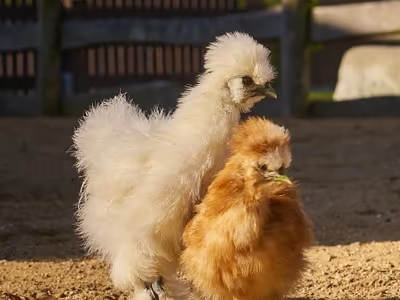
Silkworm
Unusually hairy breeds of hen that look rather funny.
How do they differ from other hens? These hens do not fly or scratch; they are very friendly towards other animals, have a calm temperament and are easily tamed. An interesting fact is that this hen can act as a surrogate mother for other young poultry. The colour of its skin and bones is black-purple.
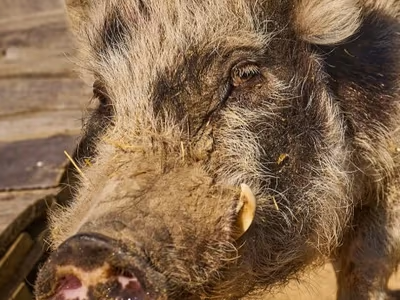
Göttingen Mini Piglet
These guinea pigs have an innate instinct to keep themselves clean and are hypoallergenic, making them the ideal pet for people with allergies.
Our spotted male pig, called Rozínek, is an easily tamed, clever, sociable and quick-to-learn animal. As well as Rozínek, you can also see the black piglets Fionka and Zora in the yard.
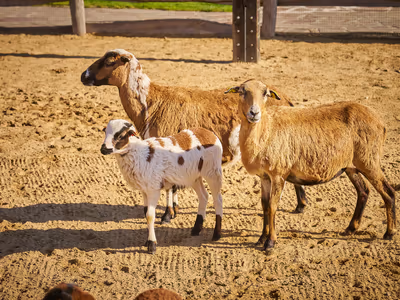
Cameroon sheep
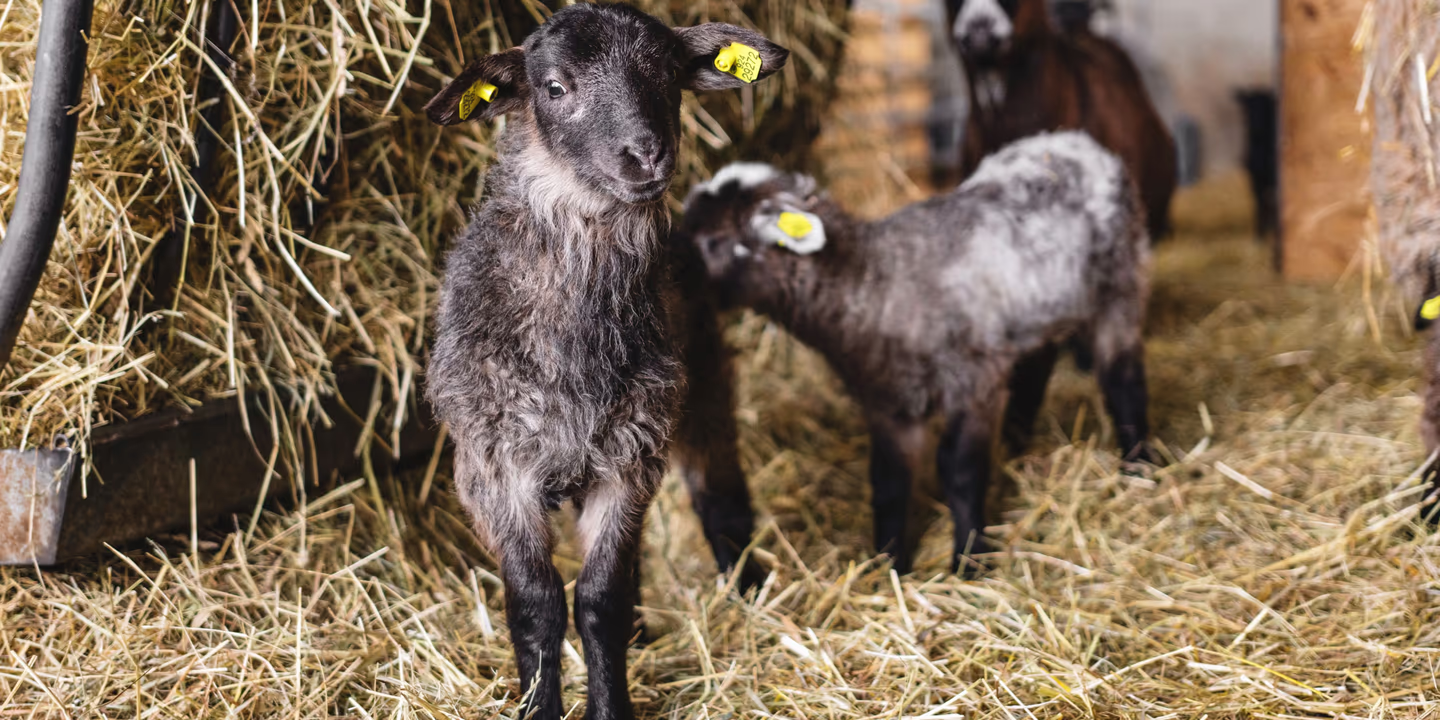
These cute little sheep are a very sociable West African breed which have a coat rather than wool.
And what don’t they like? They don’t like having their heads stroked. They’re ideal for grazing on grassy areas.
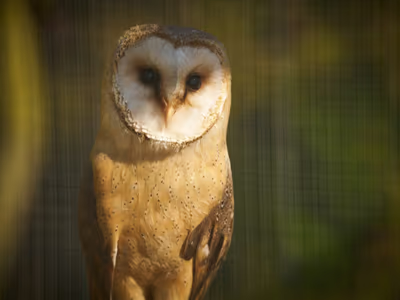
Barn Owl
It is one of the few owls to have black eyes, and its facial markings are heart-shaped.
It’s a nocturnal predator, which means it sleeps during the day – and does nothing but sleep. They like to make their home in your abandoned barns.
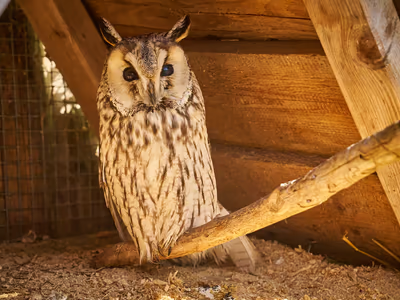
Long-eared Calous
"I look as if I have ears on my head, but it’s just for show."
And what don’t they like? They don’t like having their heads stroked. They’re ideal for grazing on grassy areas.
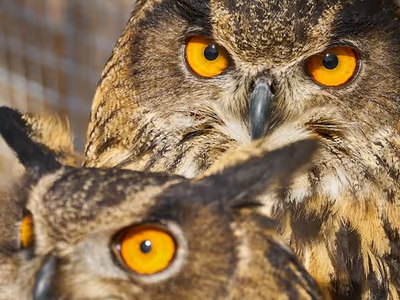
Eurasian Eagle-Owl
"My favourite treat is a hedgehog."
Owls love to strike fear into people’s hearts, thanks to their unique eyes.
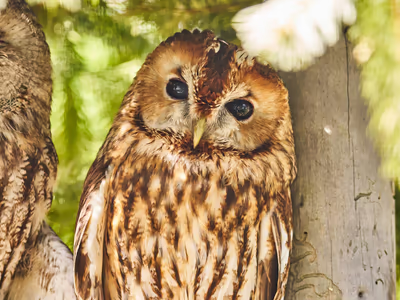
Tawny Owl
Owls often nest in old hollow trees, but if you provide them with an empty nest box, they’ll happily make it their home.
Both owls are called Rozárka, after a very well-known fairy tale. Do you know which one it is?
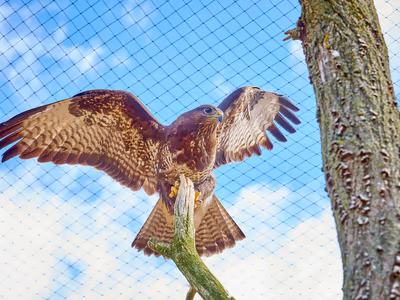
Goshawk
"We love being up high and letting the wind carry us along."
You can spot us in the sky as we circle above a field or meadow, and we also make a distinctive sound.
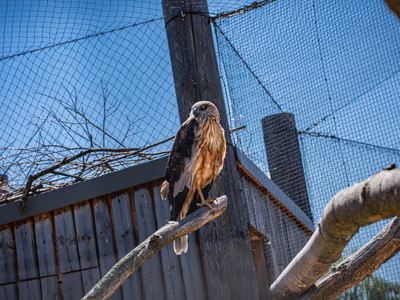
Common Tern
“We tend to stay close to the ground, yet we are inexplicably aerial acrobats.”
However, these birds aren’t called ‘Moták’ for no reason. Their flight does look a bit clumsy :)
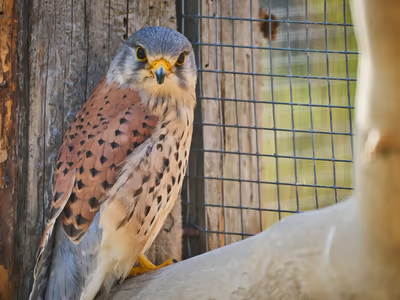
Common Kestrel
Did you know this? Back in the day, we were known as ‘POSTOJKA’.
Kestrels are able to hover in mid-air whilst searching for food and flutter their wings on the spot. This makes them easy to recognise at a glance.
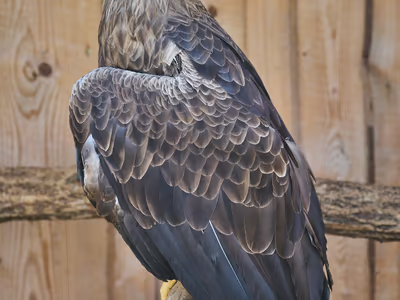
White-tailed Eagle
"My name is Igor and when I was little I fell out of my nest. I broke my wing in the fall, so unfortunately I’ll never soar through the sky again."
Did you know that a sea eagle’s wingspan can be up to 2 metres?
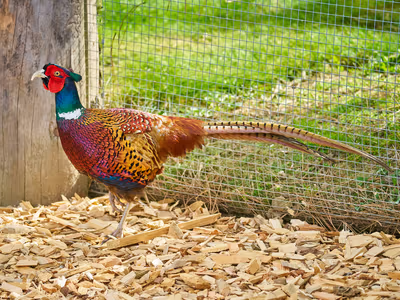
Common pheasant
“Unfortunately, we are not among the monogamous individuals, as we are classified as a polygamous species.”
Male pheasants are so colourfully plumed that their feathers display the entire colour spectrum. The female is not called a ‘pheasant hen’, but a ‘hen’.
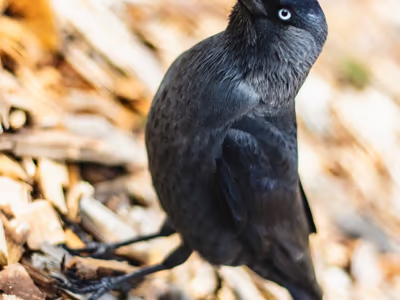
Common Jackdaw
"My name is Zdenička and I am a very sociable bird of the corvid family."
Jackdaws can learn to mimic various sounds (a creaking door, a doorbell ringing, a telephone ringing) and I can even mimic the cry of a small child.
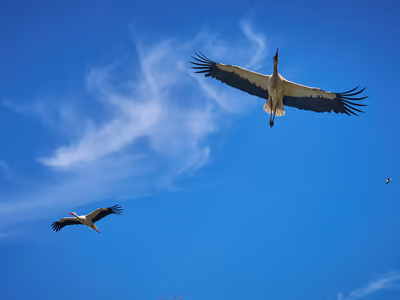
White Stork
And do you know this?
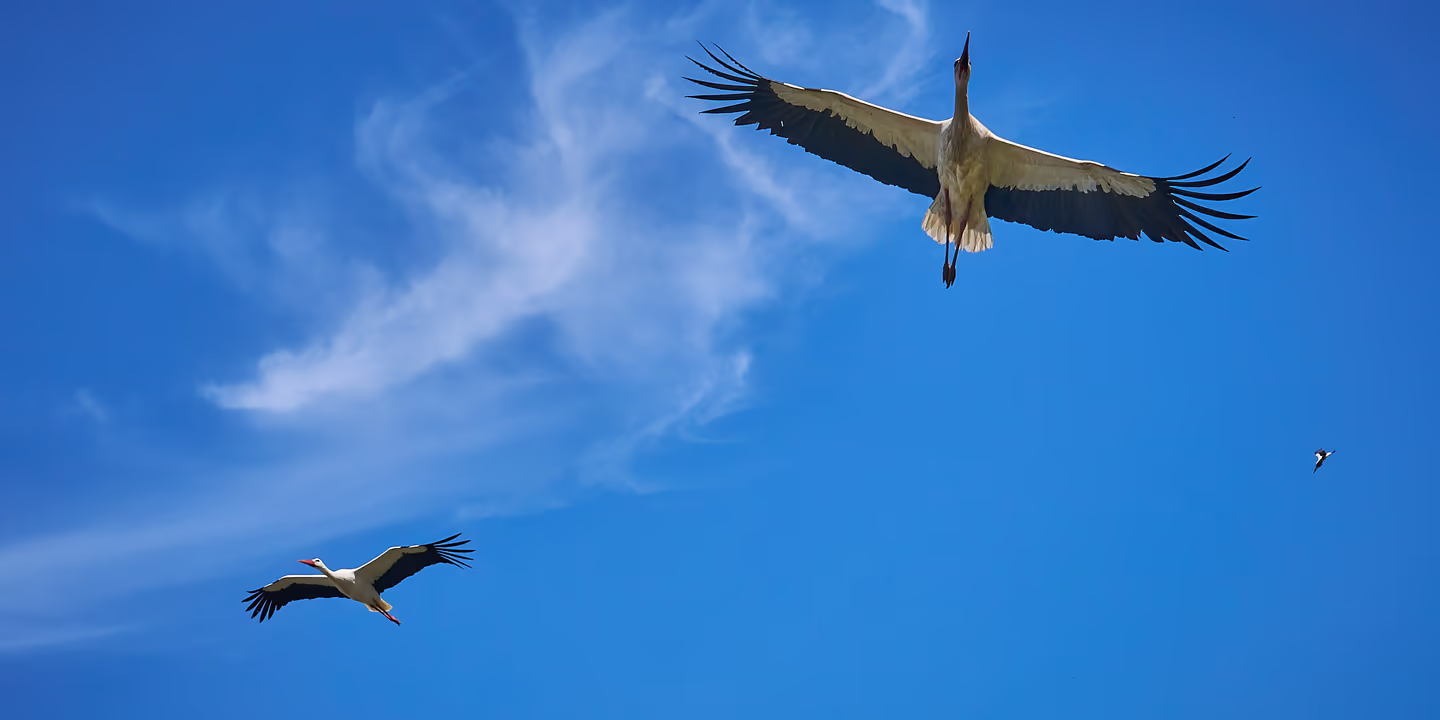
In spring, the male returns to the nest first from warmer climes and thoroughly prepares and cleans it. The female arrives later. At the end of August, they fly off again to warmer climes, taking their fledglings with them.
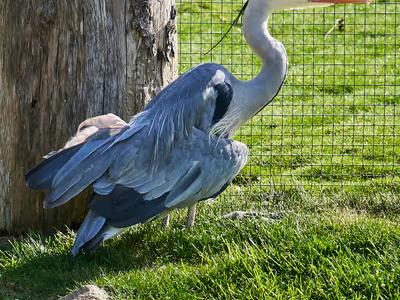
Grey Heron
A wading bird smaller in size than the white stork.
You can recognise them in the sky by their S-shaped neck. They stay here throughout the winter, so you can often spot them in the sky or near ponds and fields.
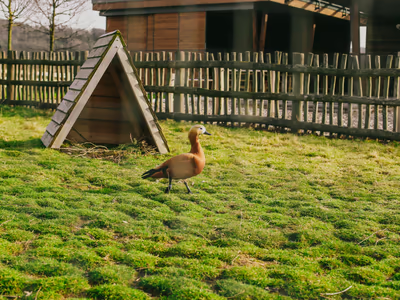
Rusty Goose
It is characterised by its light rust-coloured plumage, from which it takes its name.
They prefer to nest in larger mammal burrows.
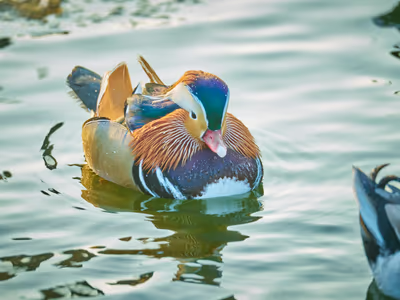
Mandarin duck
The male mandarin duck, in its so-called breeding plumage, is one of the most ornate and beautiful birds in the world.
The female is inconspicuously coloured. She seeks out peaceful, quiet places to build her nest and lay her eggs.
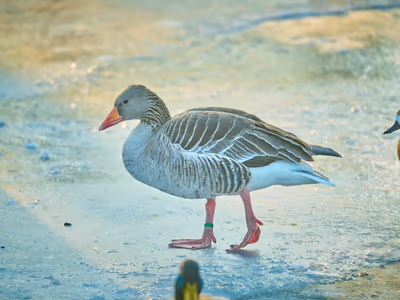
Greater White-fronted Goose
Warning! It doesn’t look like the goose you’re familiar with.
It is a very intelligent bird, as evidenced by its rich vocal repertoire. During migration, the geese fly in a V-shaped formation high in the sky.
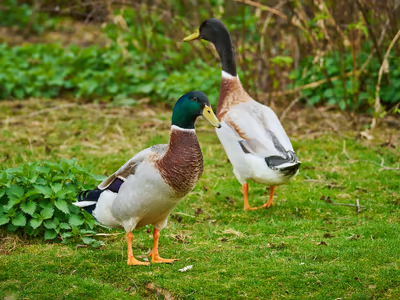
Indian runner
“We’re called runners because we run rather than waddle like ducks.”
Mudminks are very popular amongst allotment holders because they eat slugs. Here at our little pond, it’s easy to overlook them because they’ve interbred with wild ducks and, at first glance, look just like them. :)
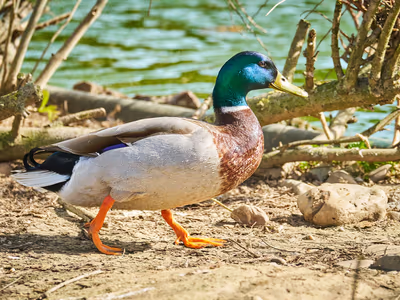
Mallard
Did you know this? The female does not feed her young; for the first one to two months of their lives, she simply leads them to food.
The female has an unassuming brown plumage with dark spots. The male mallard has a glossy dark green head and neck, a white collar around its neck, and a chestnut-coloured body.
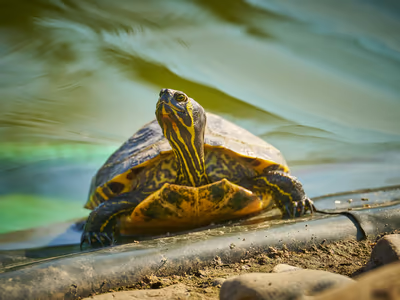
The Beautiful Tortoise
“We originally lived in Slavníč Pond, and after the fish harvest in 2021, we were moved to the pond at the Eco-Centre.”
We have two tortoises living with us, and when the sun is shining, they like to bask on the bank. But be careful! This species is classified as an invasive species.
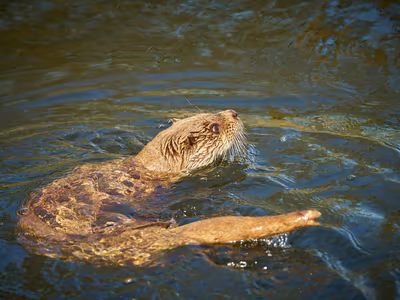
European otter
"My name is Jamie; my fur is incredibly thick, so it never gets wet when I’m in the water."
River otters have up to 50,000 hairs per square centimetre. But fishermen aren’t particularly fond of them. Guess why! :)
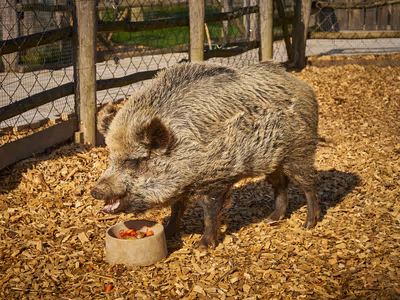
Wild boar
“I was found as an orphaned cub in what’s known as ‘striped pyjamas’. I was given the name Růženka, and my favourite treat is mashed potato.”
And what does our Růža enjoy most? When her carer scratches her with a rake. In the summer, she loves to enjoy her outdoor mud baths.
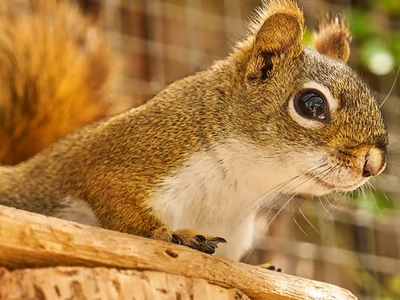
Red Chikari
"Our names are Chip and Dalle."
Don’t those names ring a bell? Every squirrel must have its own nest where it rests, a nest that serves as a toilet, and a nest where it stores its food supplies.
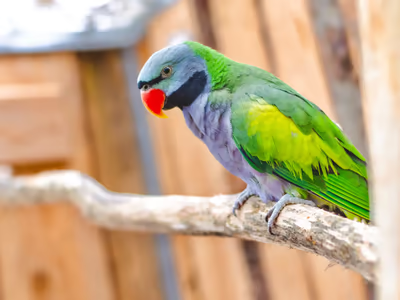
Alexander of China
Alexandras are hardy birds and can withstand being outdoors for short periods at temperatures as low as -20 degrees.
They have a very sharp beak, which they use to crack open nuts and peanuts. The male, with an orange-coloured beak, is called Saša, and the female, with a black beak, is called Máša.
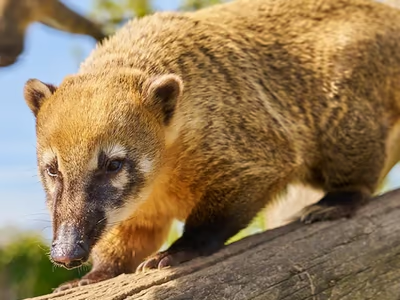
Red coati
Coatis have a good sense of balance; acrobatics is one of their great talents.
They have a highly developed sense of smell. Unfortunately, in the Czech Republic they are classified as invasive species, and so there is a strict ban on their breeding.
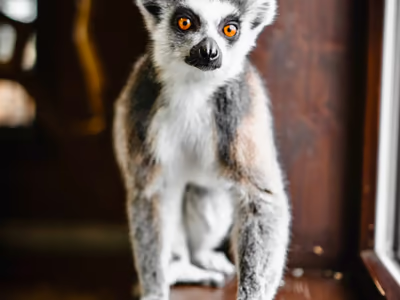
Kata lemur
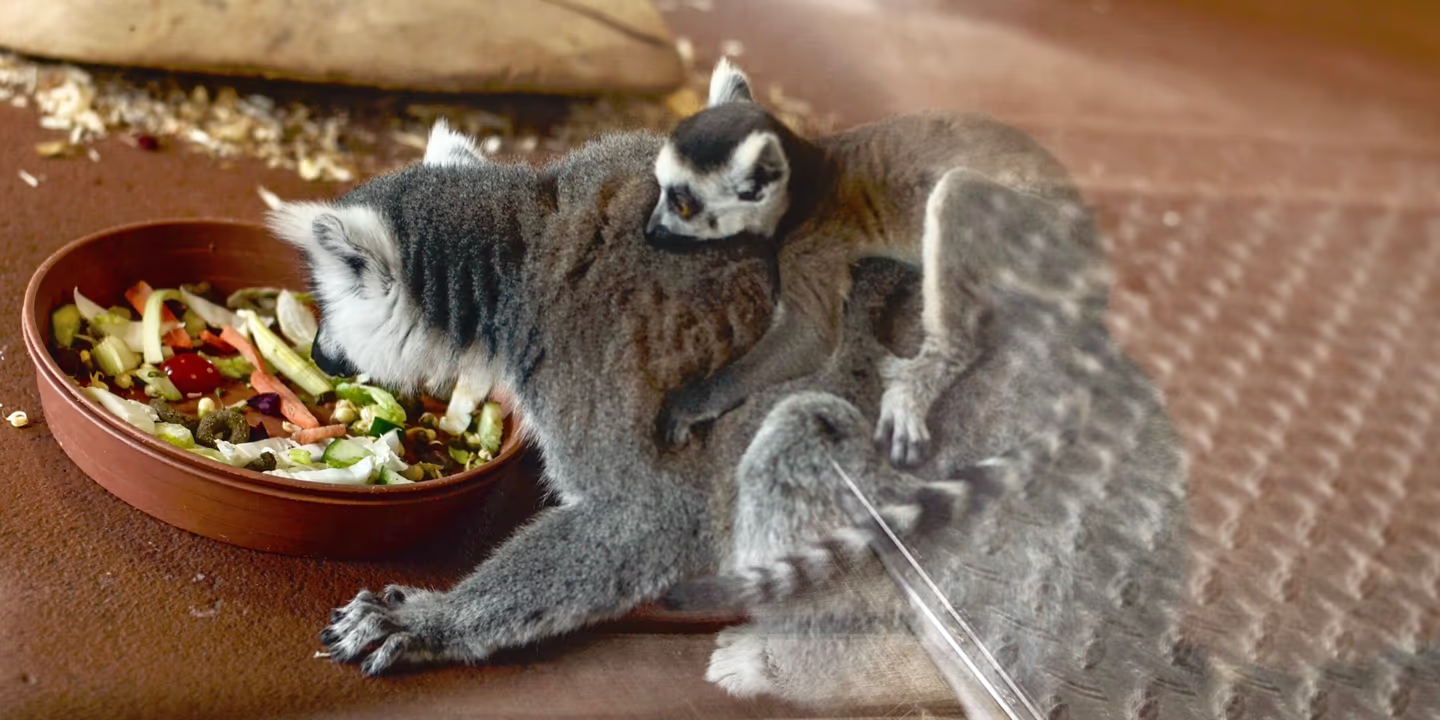
The oldest female becomes the leader of the whole group. Her name is Angelina. The male is called Opeček. Each lemur has 13 white and 13 black stripes on its tail. They love fruit!
Experience the magical atmosphere of the countryside, combined with first-class accommodation, complete privacy and the attentive service of our friendly staff.
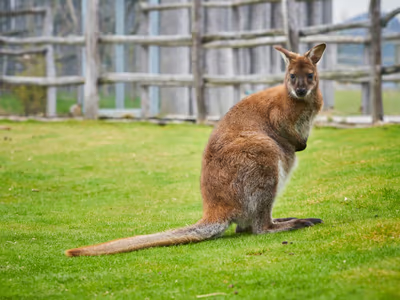
Red-necked kangaroo
"We like to live in family groups and social groups, and we are very quiet animals."
These kangaroos are among the smaller species. Interestingly, when competing for a female, they make sounds similar to coughing or barking. Among other things, they make excellent lawnmowers.
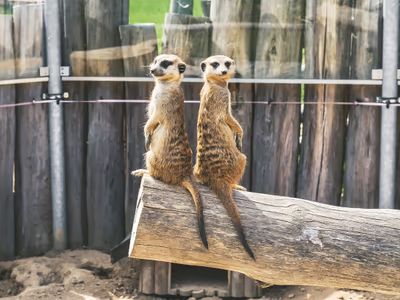
Meerkat
"Watch out, we’re brilliant at *keeping watch**! If there’s any danger, we let out a warning squeak or cluck."
Meerkats choose elevated spots for their patrols, where they stand upright, or ‘stick out like a sore thumb’. They live in large groups, each of which always has one dominant pair.
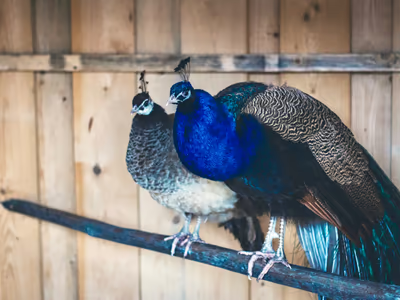
Purple Peacock
“We are a symbol of beauty (which will surely come as no surprise to anyone), but also of self-confidence, nobility and fame.”
The male can fan out his feathers and gently shake them to attract the female’s attention.
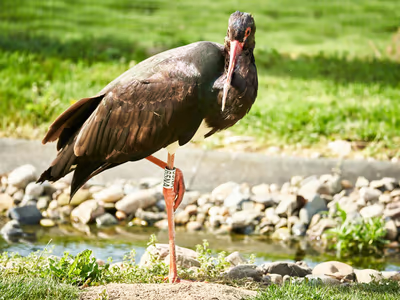
Black Stork
Clap, clap, I’m a stork! And a black one at that!
This species of stork is related to the familiar white stork. Unlike the white stork, however, it feeds much more on fish, some of which are as long as 25 cm!
The longest recorded lifespan of an individual was 30 years. This is a truly remarkable age, as black storks usually only live to be 18 years old.
The longest recorded lifespan of an individual was 30 years. This is a truly remarkable age, as black storks usually only live to be 18 years old.